S.A. Azimov Physical-Technical Institute, Uzbekistan Academy of Sciences

Welcome to the Laboratory of Solar Thermal Application

Turning sunlight into useful heat, clean water and green hydrogen.

Illustration of parabolic dish concentrators at dusk focusing golden sunlight onto a glowing receiver tube

About the laboratory

The Laboratory of Solar Thermal Application at the S.A. Azimov Physical-Technical Institute (Scientific Association “Physics–Sun”), Uzbekistan Academy of Sciences, develops solar thermal technologies for the climate of Central Asia: nanofluid heat carriers, phase change thermal storage, solar desalination and solar-driven hydrogen. Prof. Jasurjon Akhatov has headed the laboratory since 2017.

Vision

To be a leading centre of solar thermal research in Central Asia, where efficient collection, storage and conversion of solar heat help Uzbekistan diversify its energy sector with renewable heat and green hydrogen.

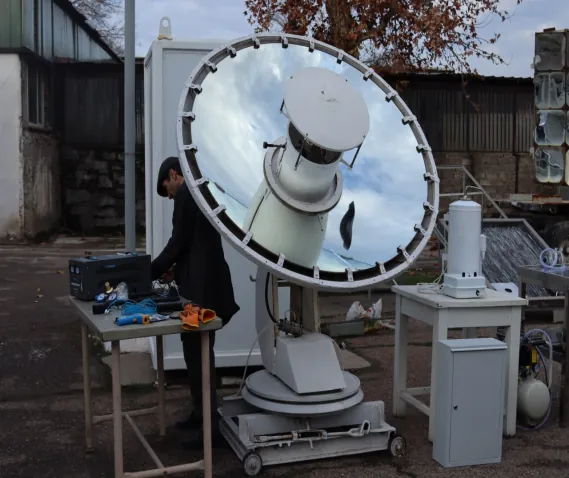
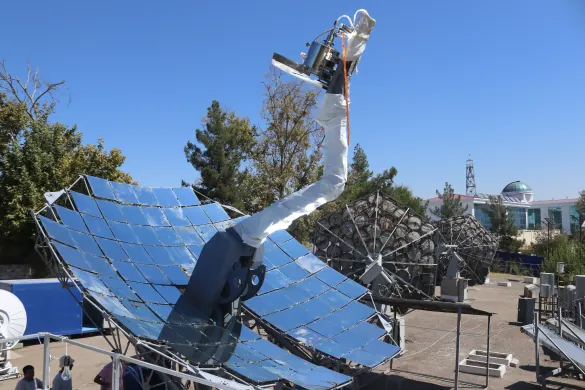
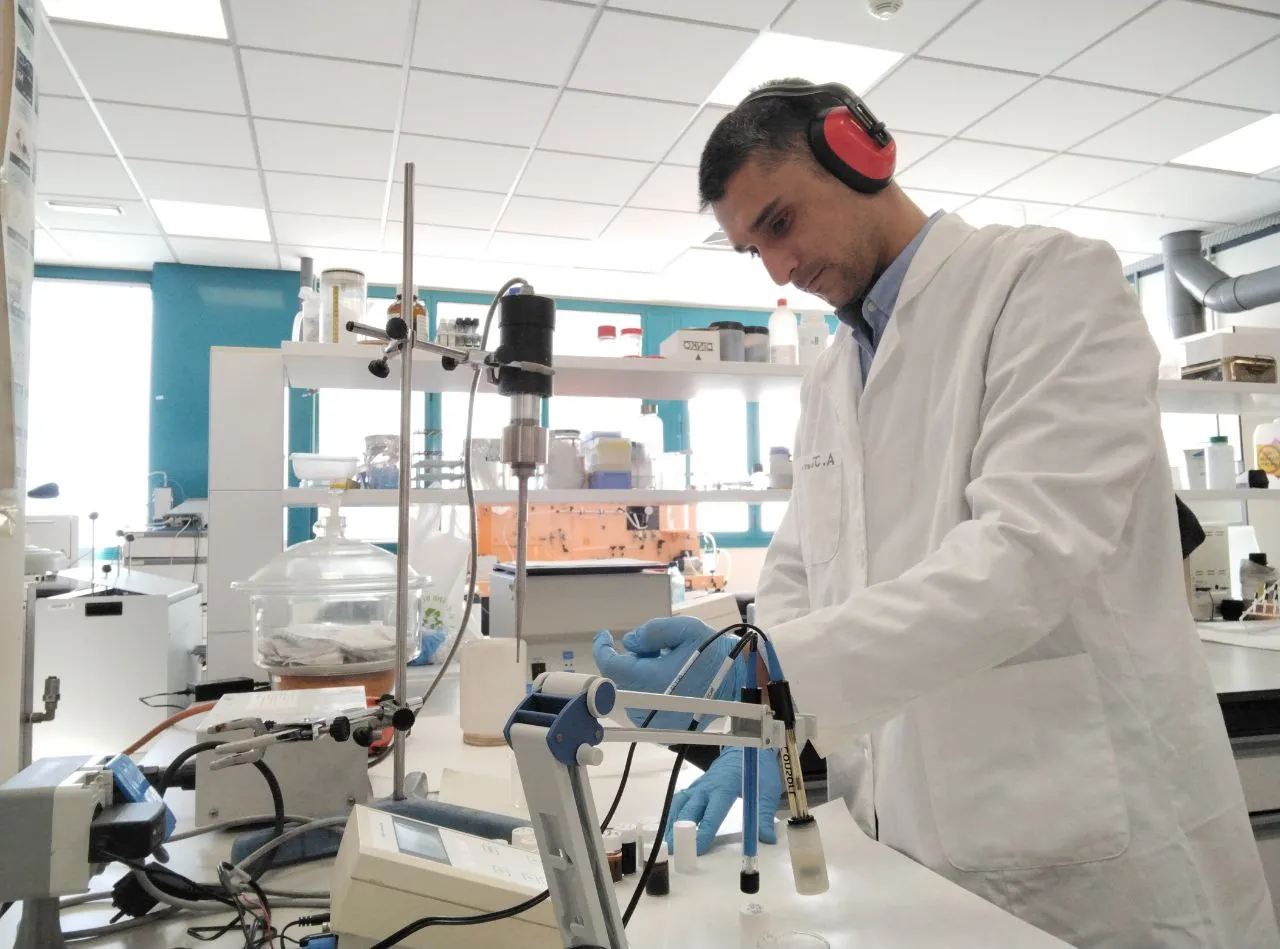
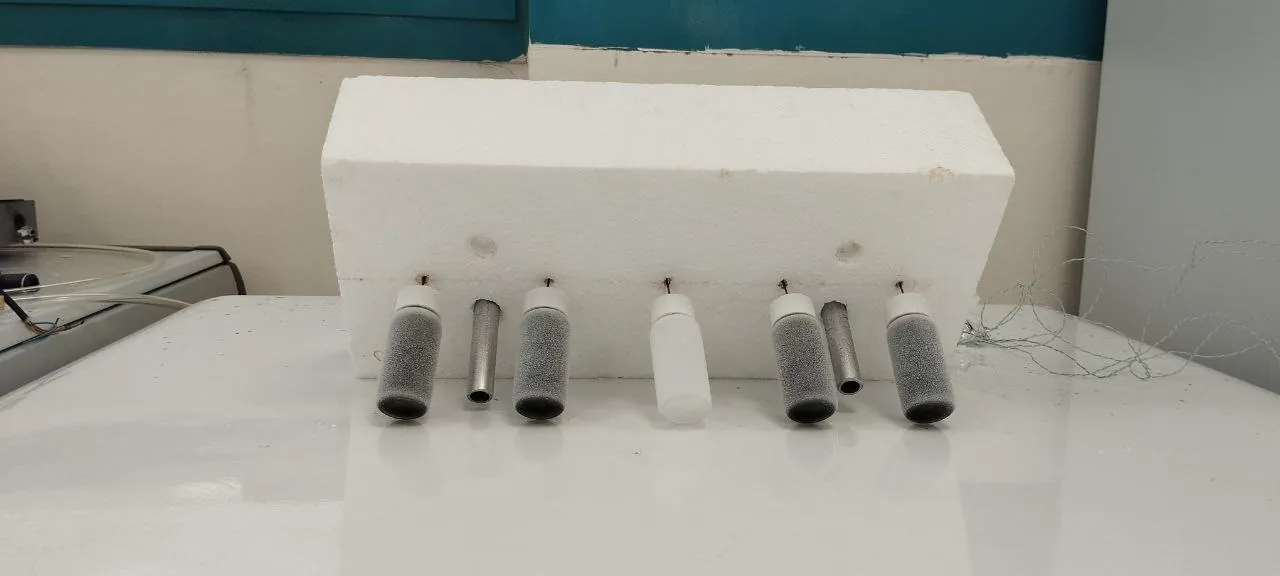
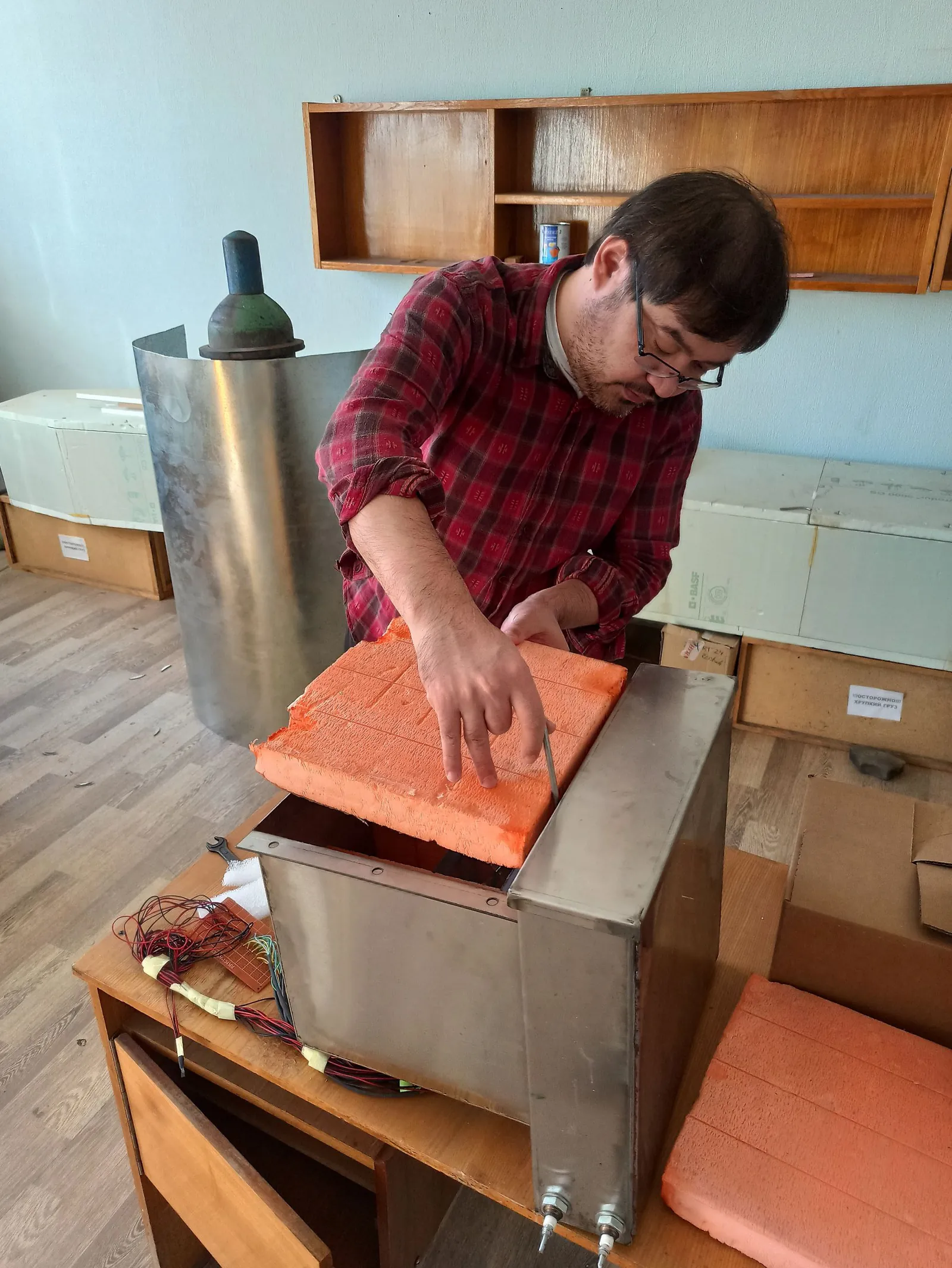
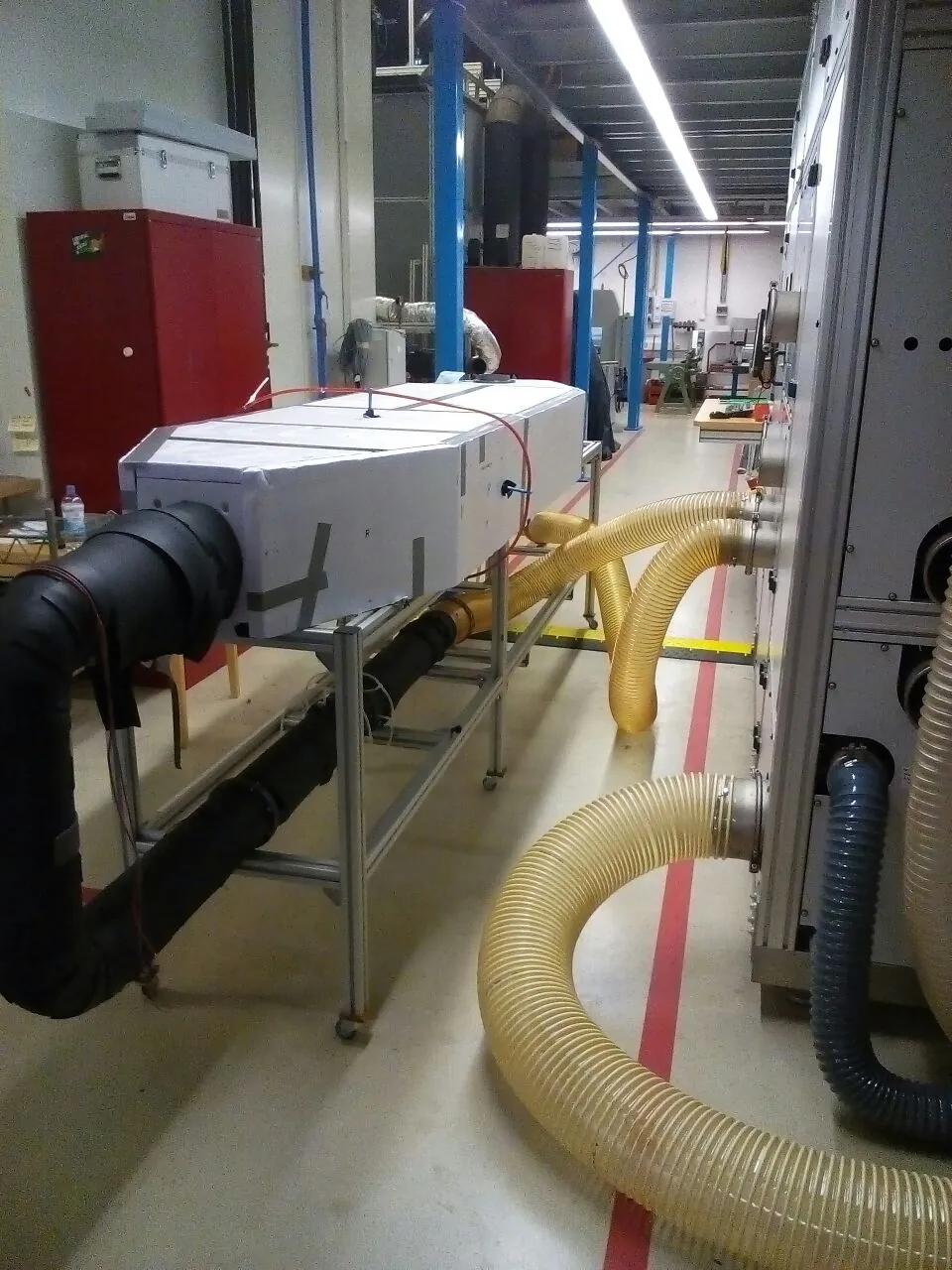
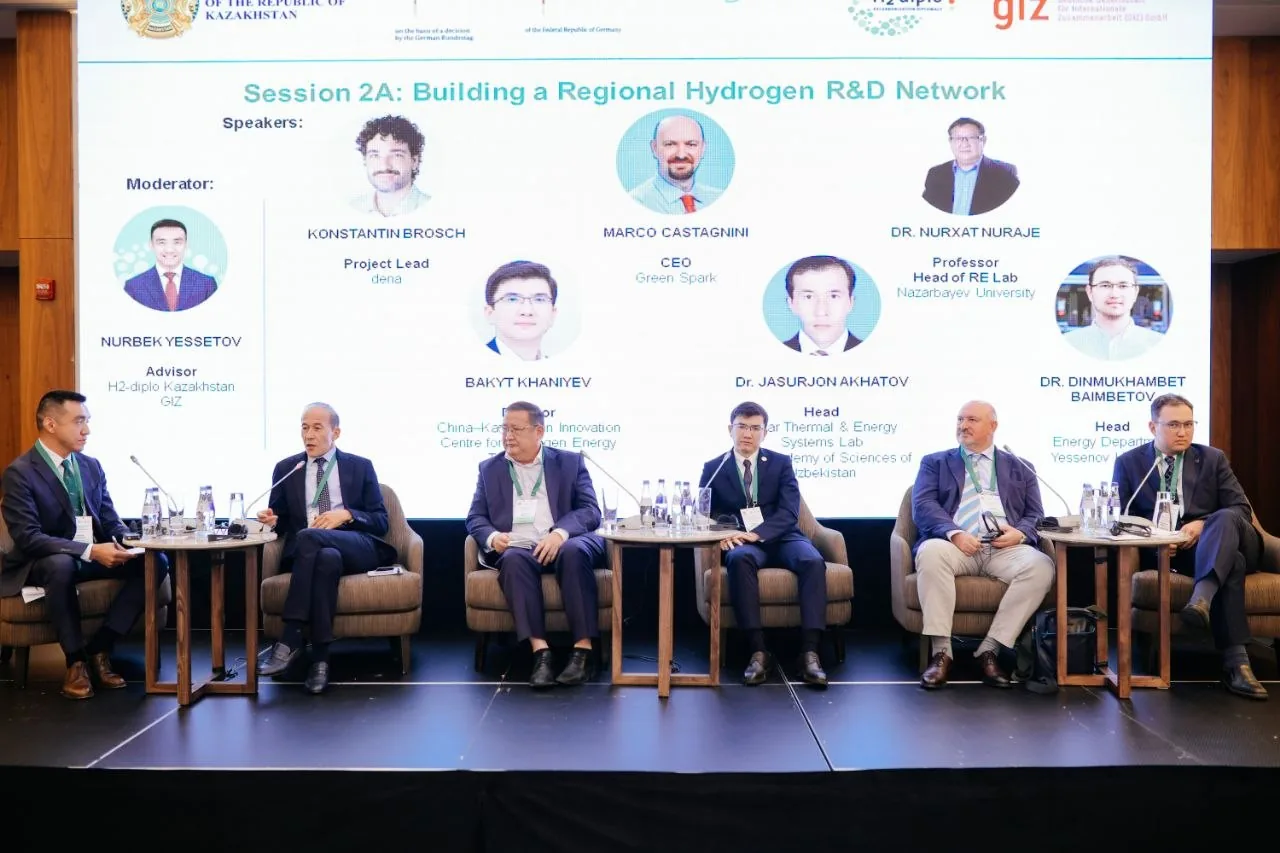
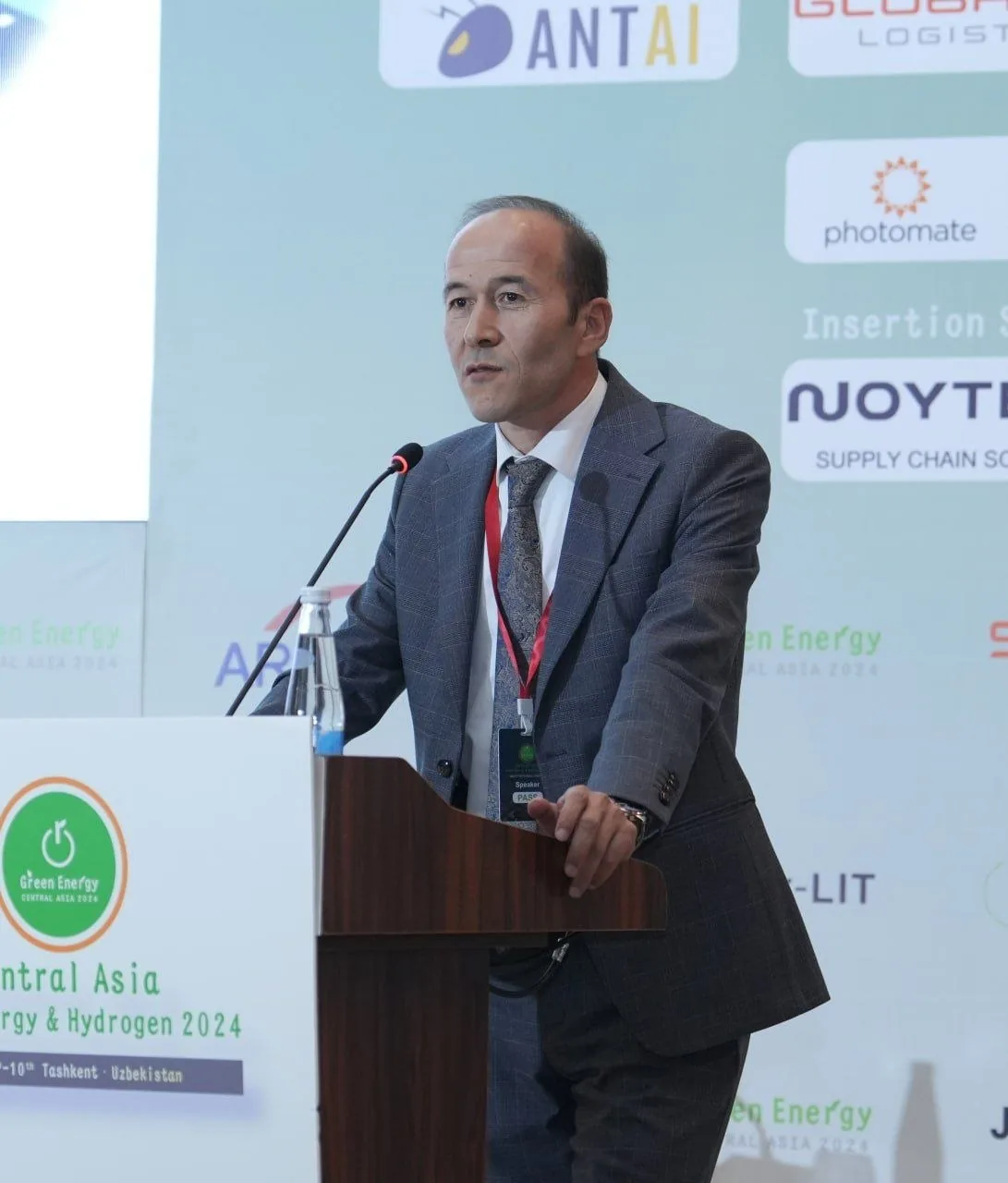
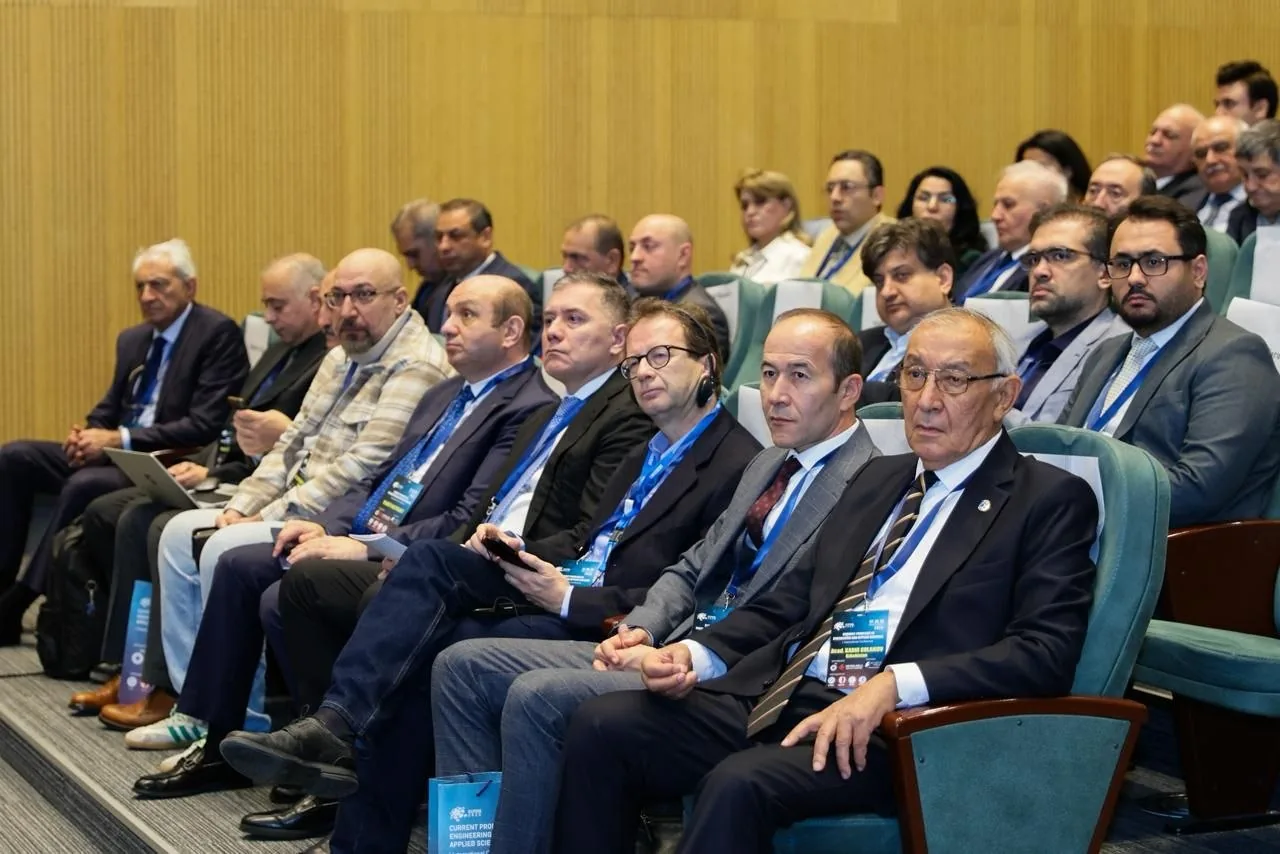
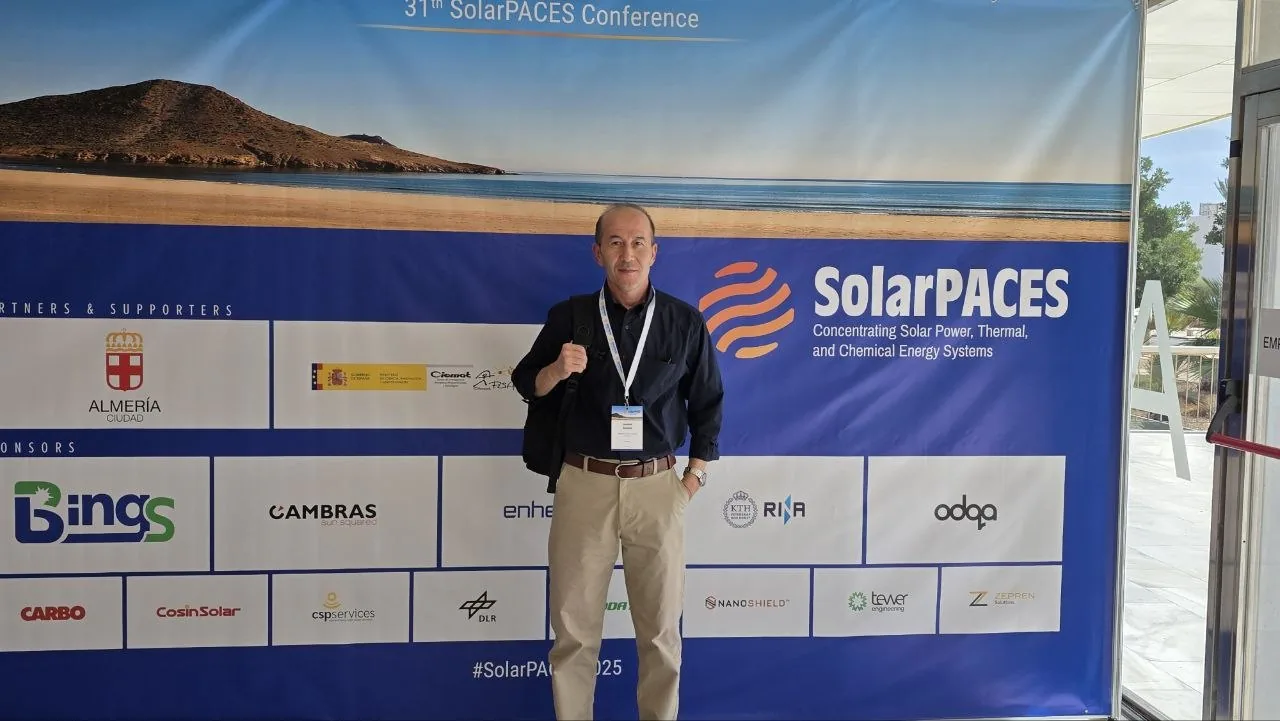
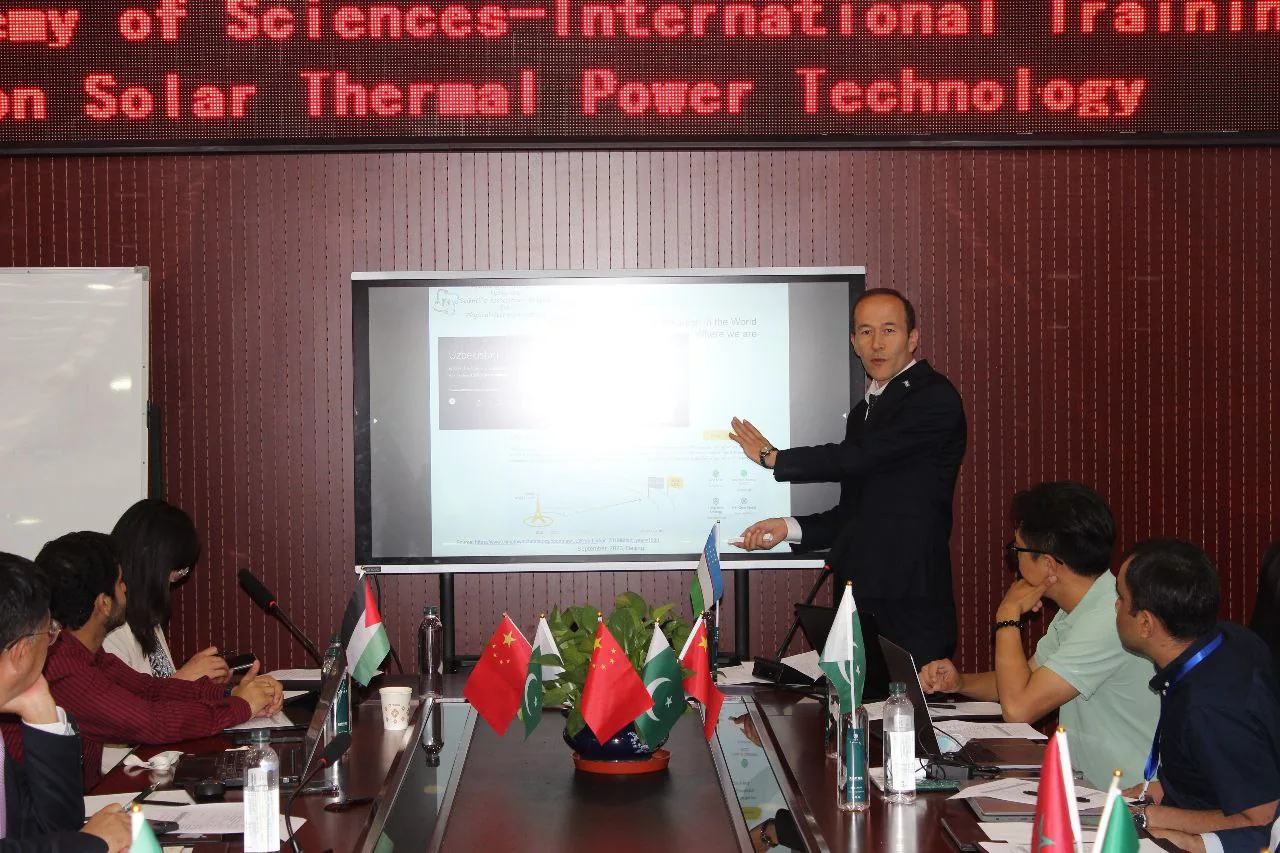
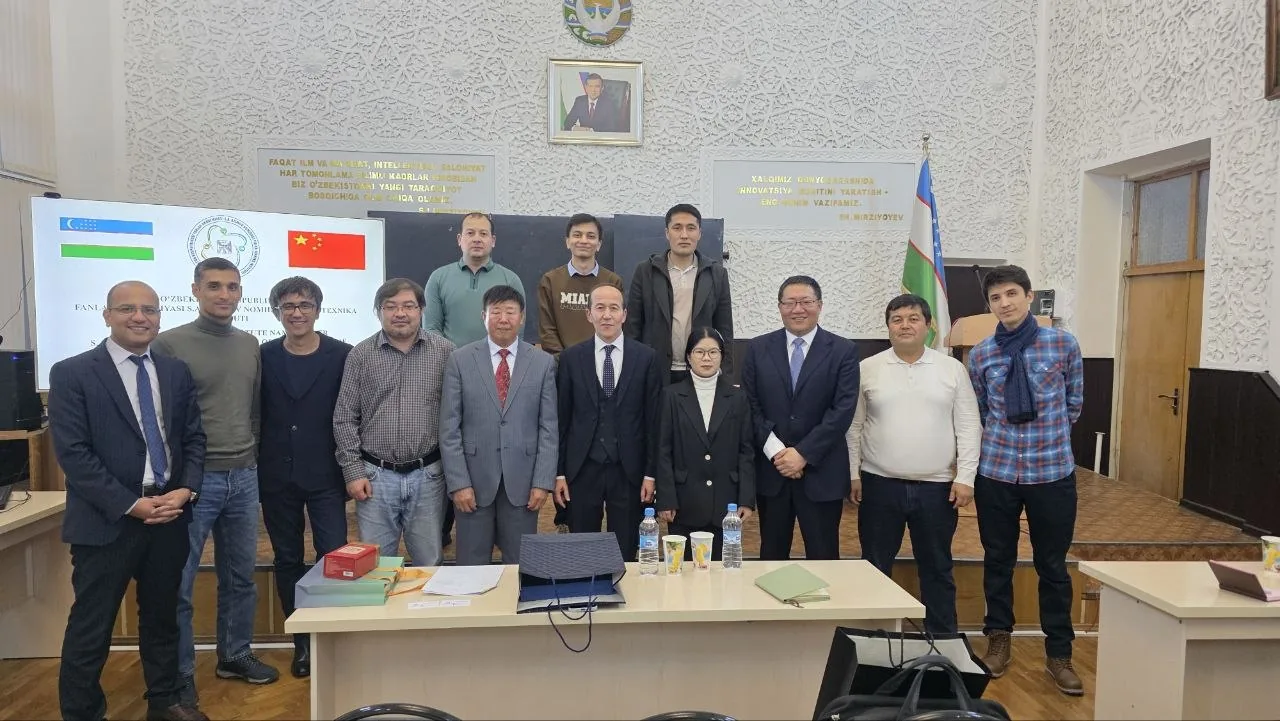
Select the photo above to browse our research facilities.
Mission

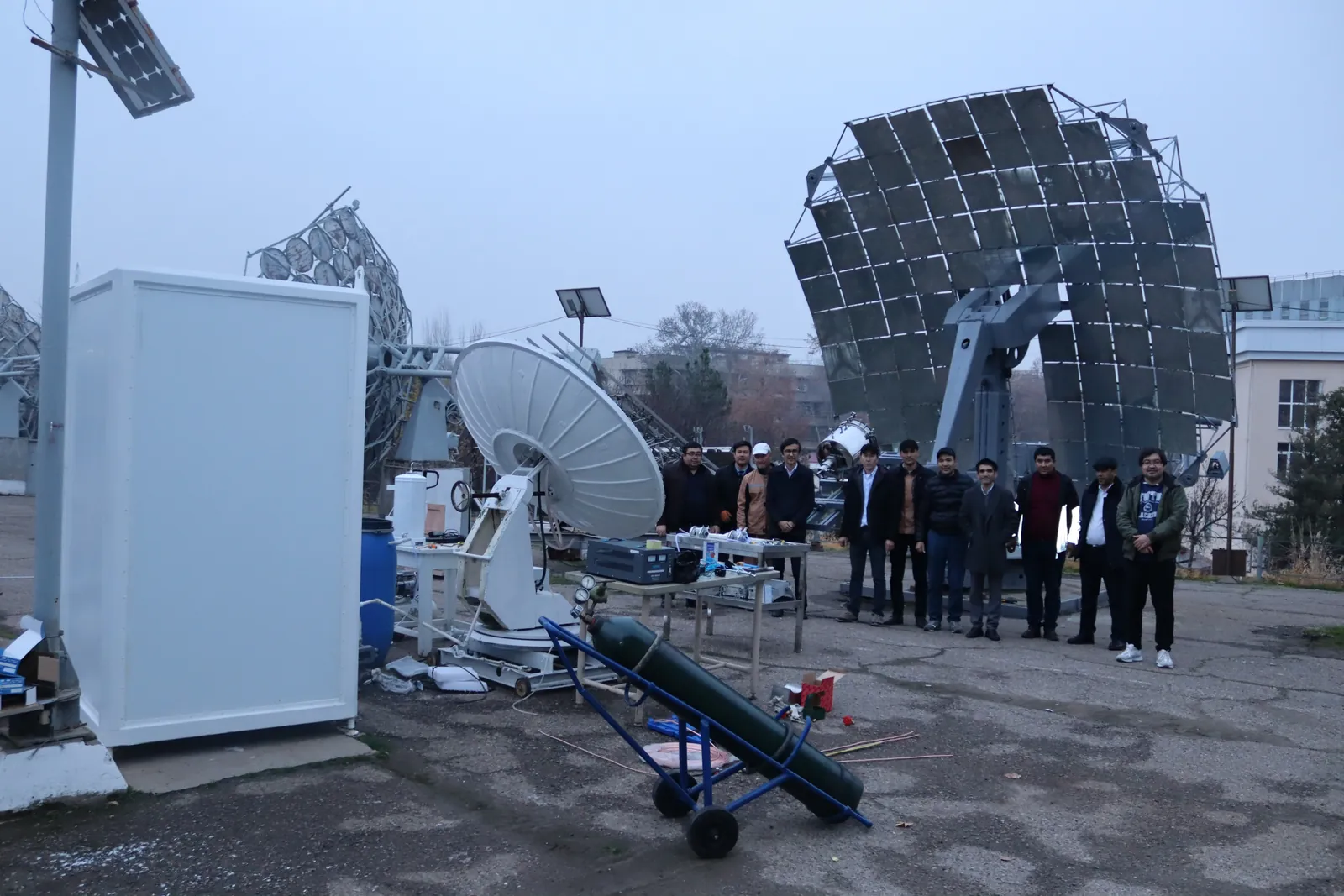
We design, simulate, build and test solar thermal systems and the materials inside them: nanofluid heat transfer fluids, PCM heat storage, reverse-osmosis membranes and thermochemical reactors. We take them from laboratory samples to pilot installations through national projects and international cooperation.

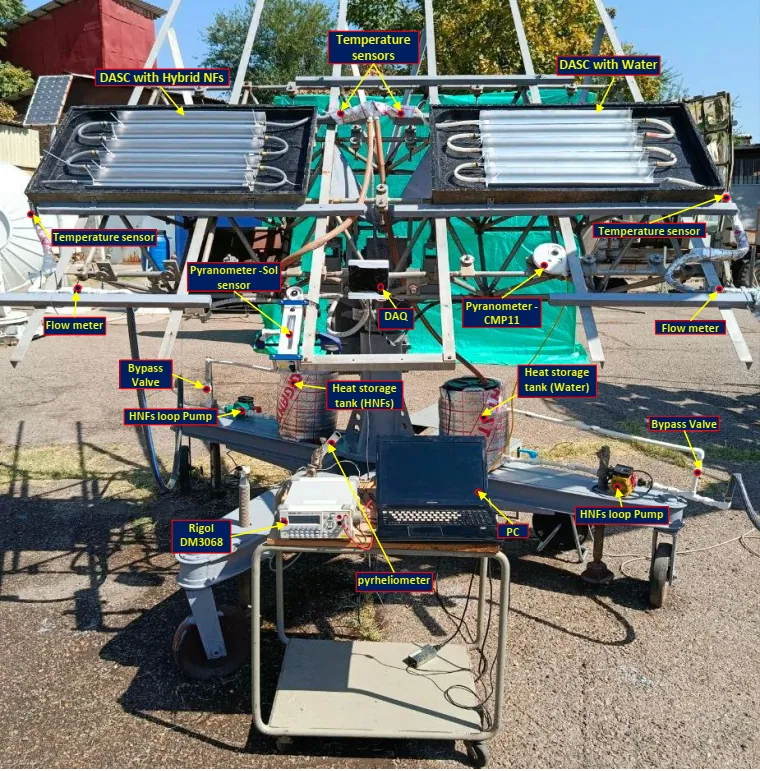
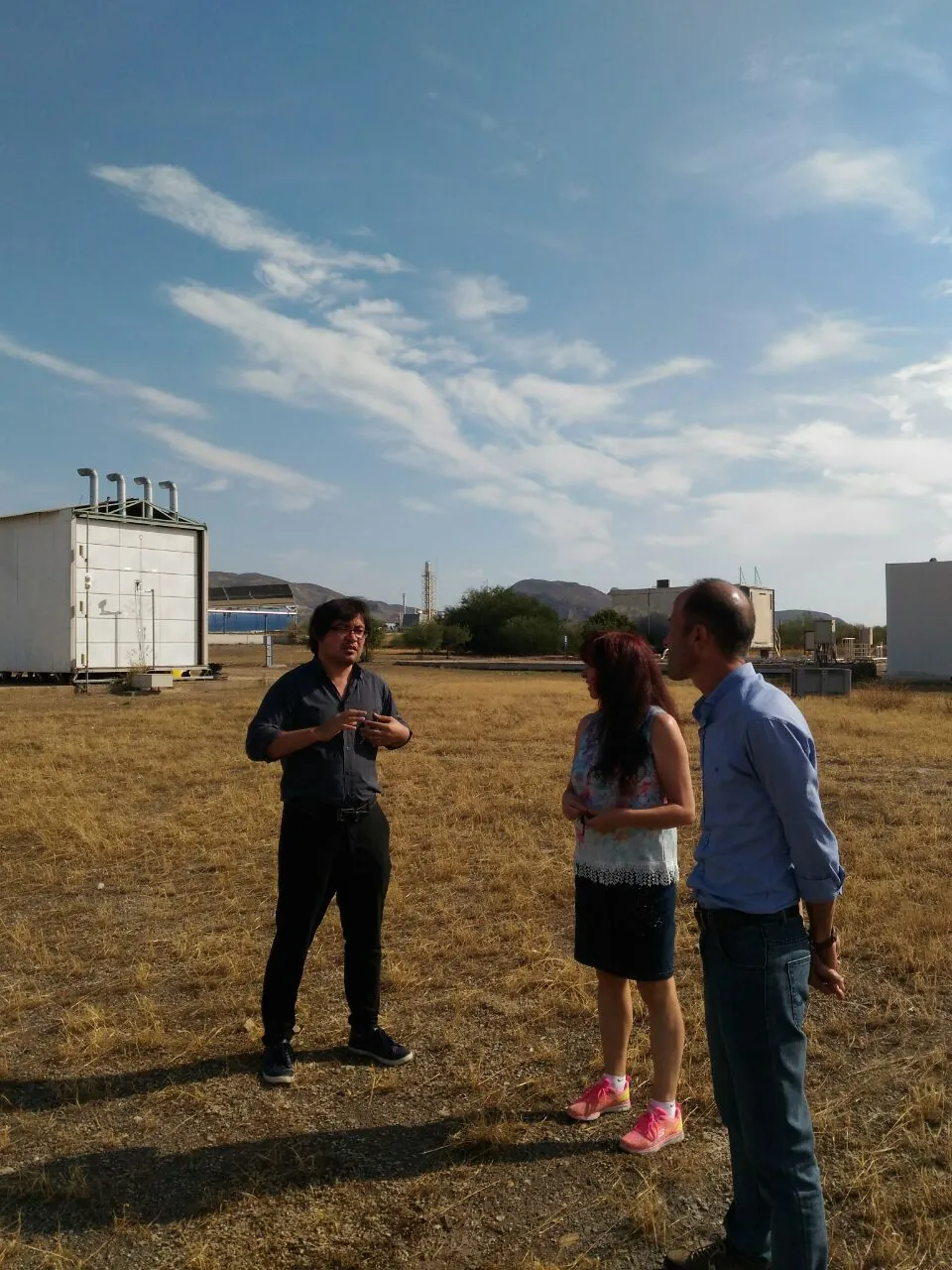
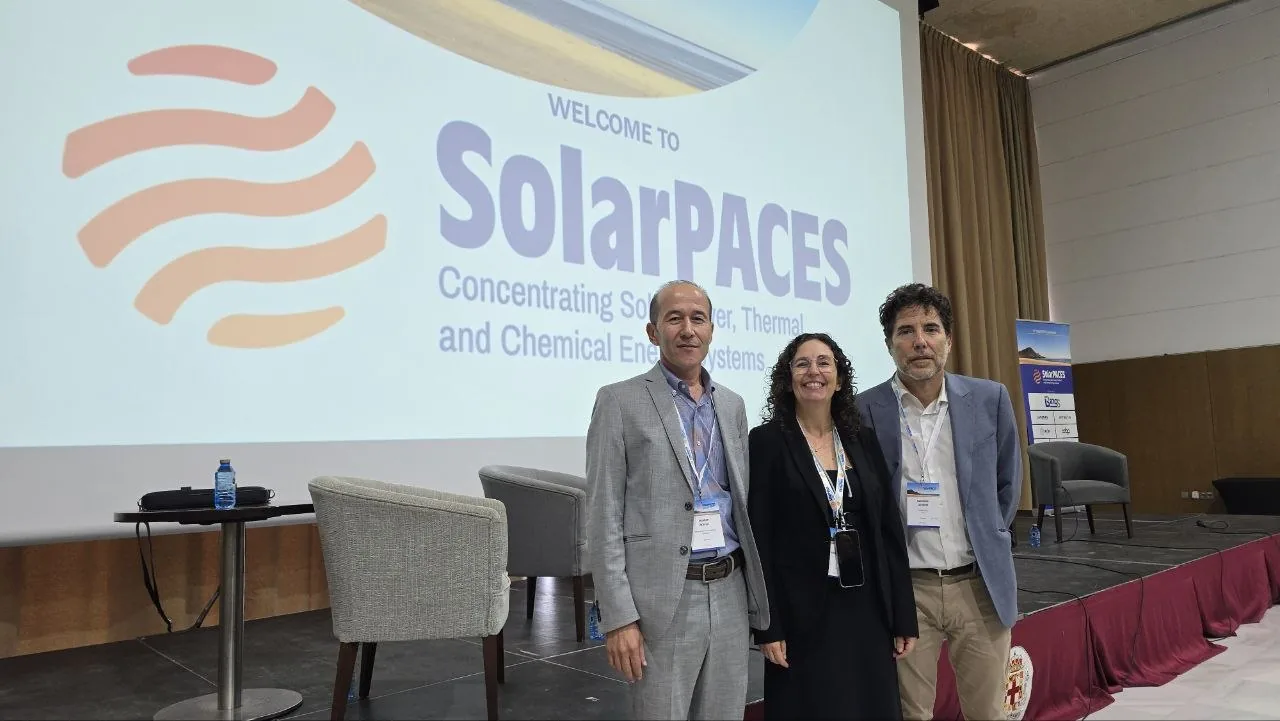
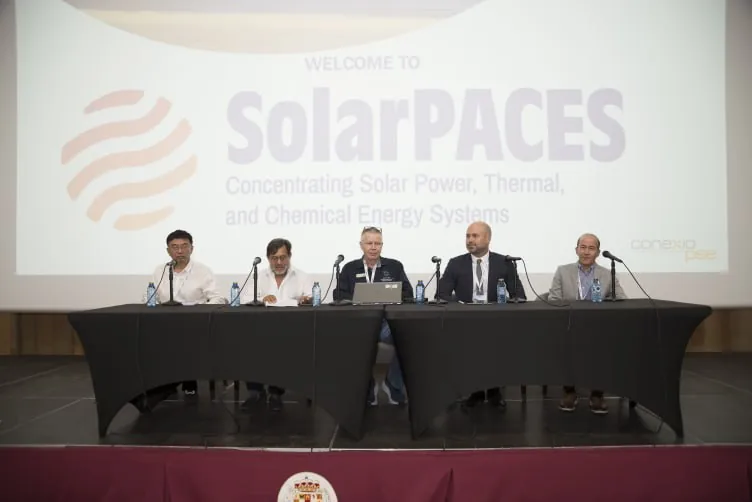
Select the photo above to browse our solar thermal energy photos.

1 of 18

Research

Our projects combine materials synthesis and characterisation, numerical modelling and outdoor testing under Uzbekistan’s climate. We work on six connected directions, from the fluid inside a collector to the building or reactor it serves.

  • Nanofluid heat transfer fluids

    Hybrid, carbon-black and MWCNT nanofluids: preparation, stability, thermophysical and optical properties, and use in flat-plate, direct absorption and parabolic trough collectors.

  • Concentrating collectors and CSP

    Parabolic trough collectors: flow rate, pressure drop, pumping power and exergy-based optimisation with commercial and nano-enhanced heat transfer fluids.

  • Solar thermochemical hydrogen

    Two-step CeO₂ cycles for H₂O and CO₂ splitting: reactor design, heat and mass transfer simulation and on-sun experiments.

  • Thermal storage and buildings

    Phase change materials in building envelopes, HVAC systems, solar dryers and greenhouses, with whole-building simulation and multi-objective optimisation.

  • Solar desalination

    Reverse-osmosis membranes whose surface layers are modified with nanoparticles, and solar-powered desalination for rural arid regions.

  • Photovoltaics and grid integration

    CIGS solar cells, building-integrated and photovoltaic-thermal systems, and the integration of renewable sources into electricity grids and microgrids.

Current projects

  • Investigation of the physical-chemical properties of RO membrane surface layers modified with nanoparticles to improve desalination processesFundamental project, 2025–2029
  • Smart sensors with integrated circuits for temperature, humidity and pressure for medicine, agriculture, industry and logisticsFundamental project, 2025–2029
  • Design of thermal accumulators based on volumetric phase change materials for solar greenhousesApplied project, 2025–2027
  • Development of a standard for the unit of differential pressureApplied project, 2025–2027
  • Improving the energy efficiency of buildings with solar energy-to-heat conversion systems and modern thermal energy storage devicesApplied project, 2026–2027
  • Development of hybrid nanofluids to enhance heat transfer efficiency in solar thermal systemsInnovation project, 2025–2026

Selected completed projects

  • Key technology of solar thermochemical cycle hydrogen production based on the Big Solar Furnace in Uzbekistan (Uzbekistan–China joint project)2021–2022
  • Development and characterization of hybrid water-based nanofluids for solar thermal applications (Uzbekistan–Spain)2024
  • Utilization of PCM-enhanced nanofluids for cooling residential buildings (Uzbekistan–China)2024
  • PRIM 01-22: Modern Semiconductor and Solar Technologies Design Center (MoSeST)2024–2025

Meet our team

Scroll for more, or select a card for the full profile

Our activity

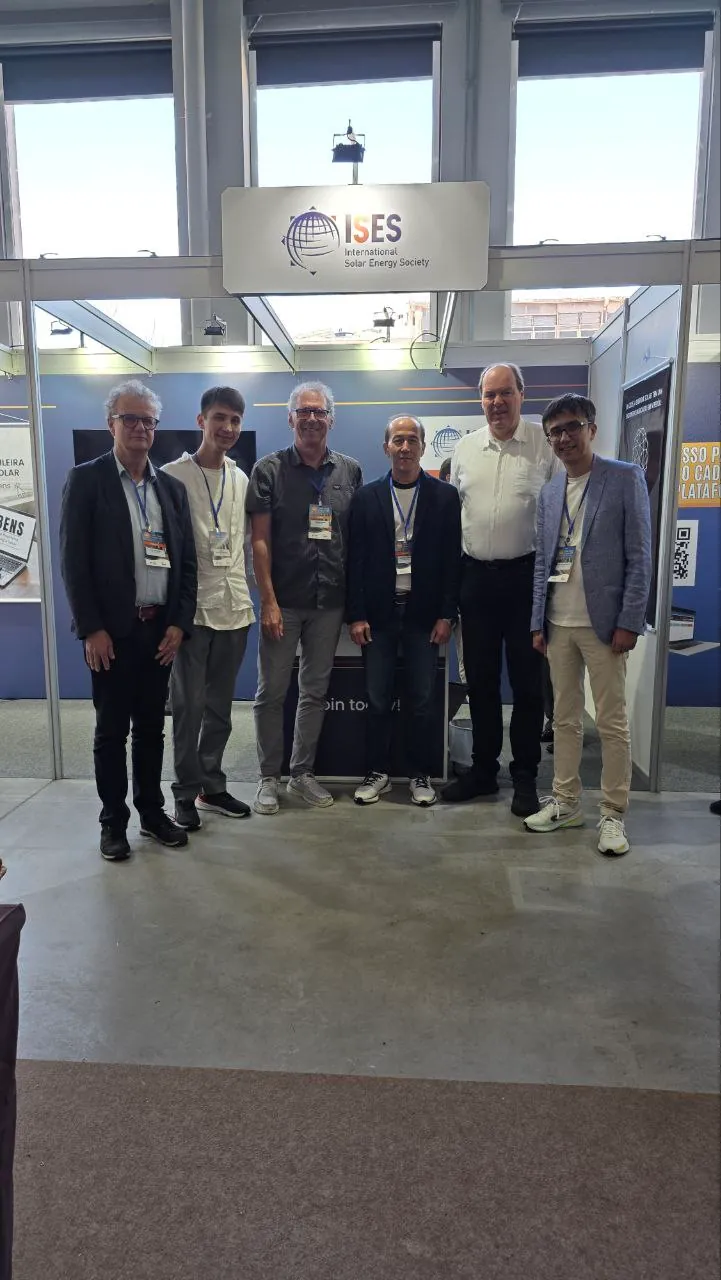
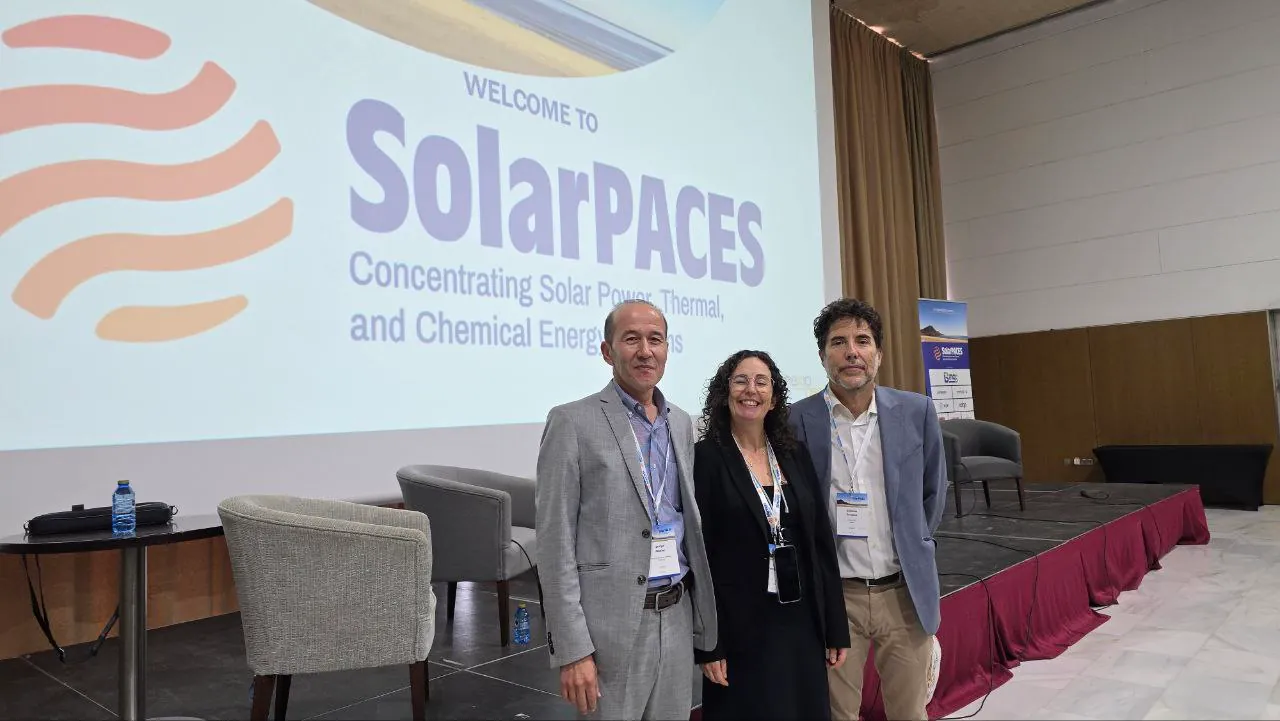
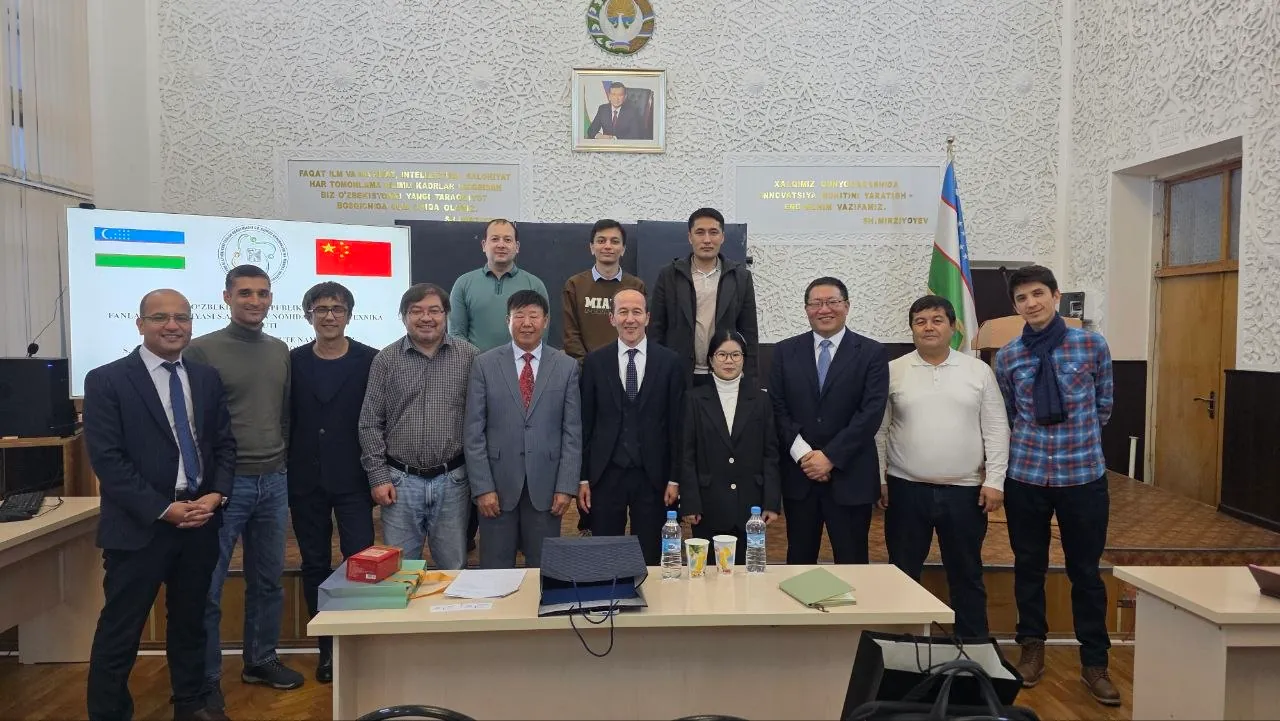
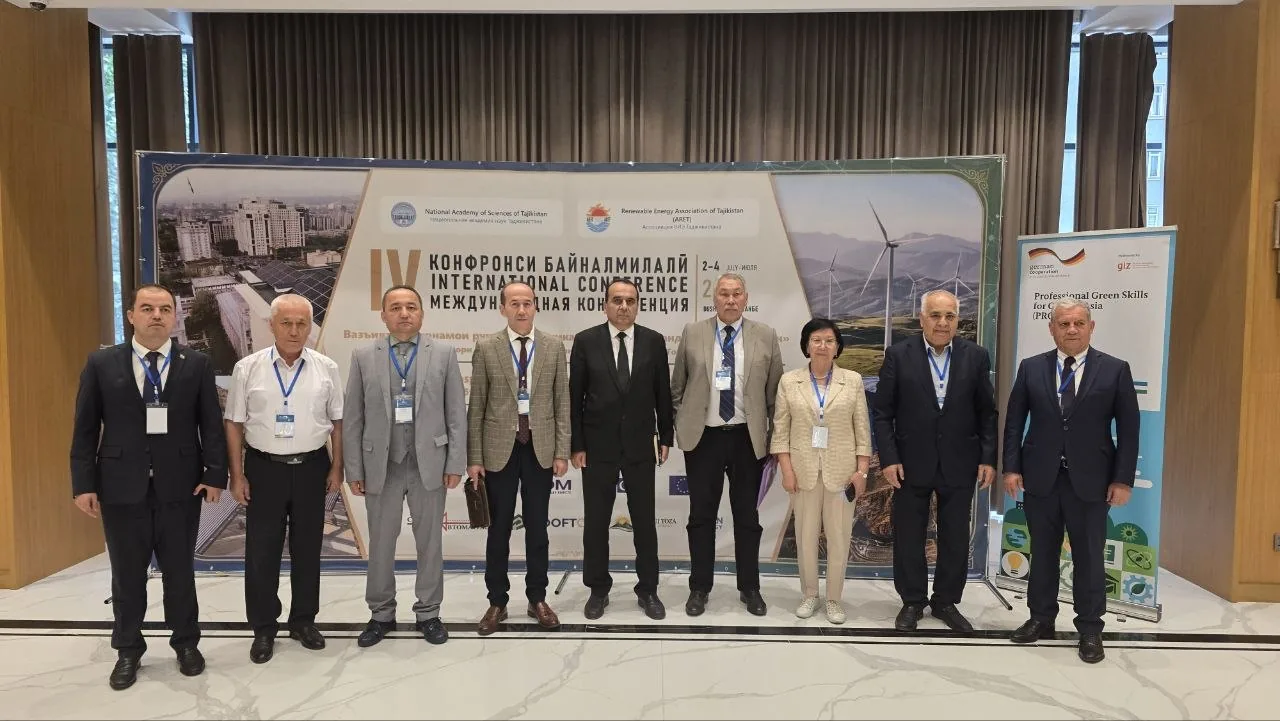
Field tests, laboratory work and international cooperation.

Selected publications

  1. Stability enhancement of oxidized carbon black nanofluids: effects of concentration, sonication time, and SDS surfactant

    D. Jalilov, T. Juraev, A. Halimov, J. Akhatov. Heat and Mass Transfer 62, 9 (2026). doi:10.1007/s00231-025-03638-5

  2. Experimental study on two-step hydrogen production from water decomposition by solar-microwave synergism system

    H. Yin, J.S. Akhatov, T. Ma, M. Fu, W. Guo, Q. Zhang, et al. Applied Energy (2026) 127959. doi:10.1016/j.apenergy.2026.127959

  3. Carbon black-based nanofluids for enhanced convective heat transfer in parabolic trough collectors

    D. Jalilov, T. Juraev, A. Halimov, U. Sharopov, Z. Tian, O. Ouabouch, J. Akhatov. Next Research 3 (2026) 101116.

  4. Development and characterization of hybrid water-based nanofluids for solar thermal applications

    T. Juraev, A. Halimov, L. Hernández López, R. Mondragón. Materials Research Bulletin 203 (2026) 114202.

  5. Analysis of the current status and research prospects for integrating nanomaterials into the membrane surfaces of membrane-based desalination systems using renewable energy sources

    M.A. Kuralov, A.S. Halimov, A.Y. Usmanov, T.I. Juraev, A.E. Khaitmukhamedov, D.Y. Jalilov, Kh.F. Sayfieva, O.A. Abdulkhaev, O.E. Abdurakhmonov, S.L. Lutpullaev, J.S. Akhatov. Applied Solar Energy 61(6) (2025) 680–714. doi:10.3103/S0003701X25601437

  6. Validation and integration of a latent heat storage model into building envelopes of a high-order building model for Modelica library AixLib

    A. Halimov, M. Lauster, D. Müller. Energy and Buildings 202 (2019) 109336.

Contact us

Interested in a joint project, a research stay or our facilities? Write to the head of the laboratory.

Email the laboratory
Address
Physical-Technical Institute, Uzbekistan Academy of Sciences
Chingiz Aytmatov Str. 2B, Tashkent 100084, Uzbekistan
Open in Google Maps
Email
jahatov@gmail.com
Phone
+998 90 917 93 21
Fax
+998 71 235 42 91
Institute website
fti.uz